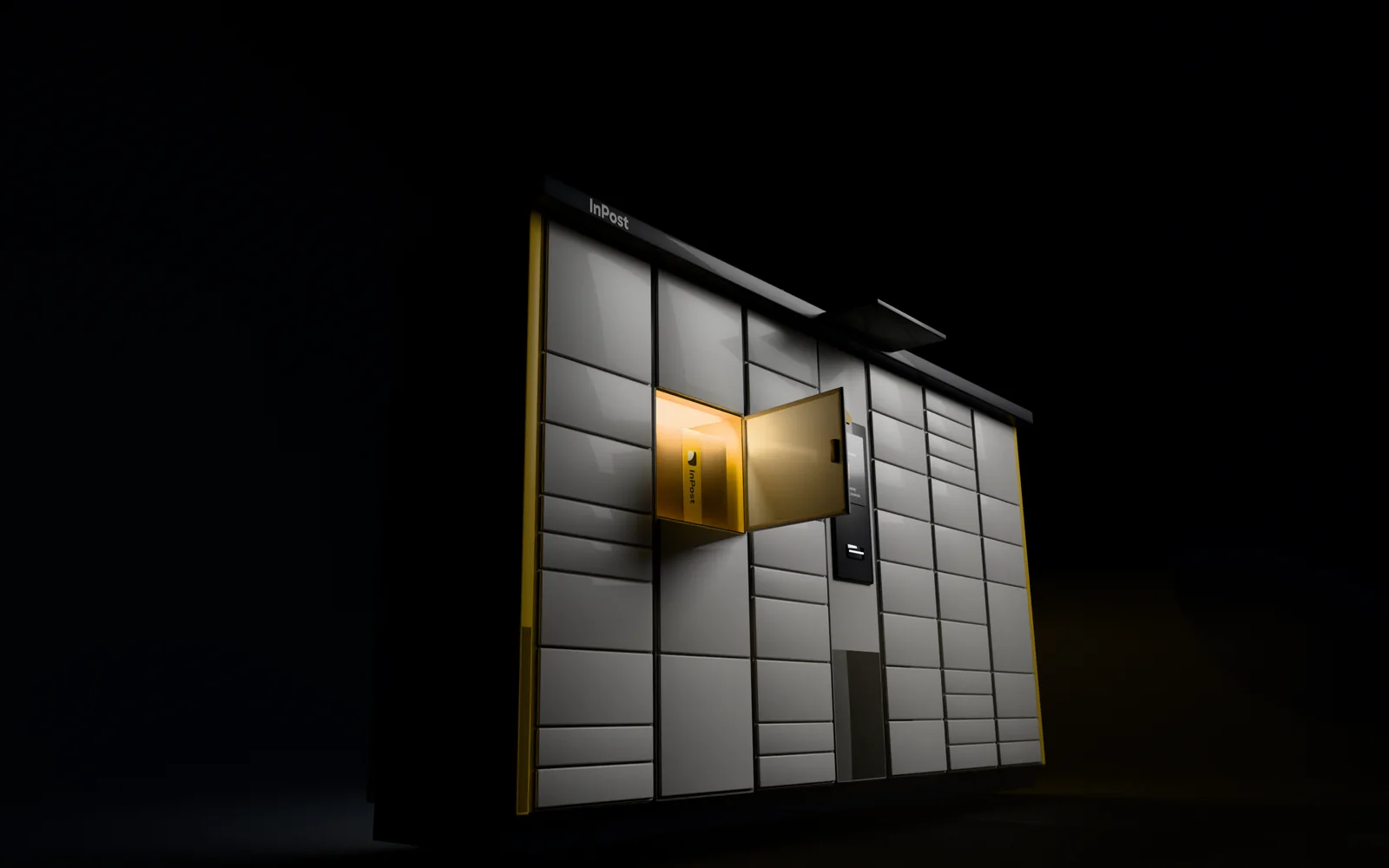
Every answer opens a cell.
A commercial proposal for InPost: the website, the app’s key journeys and the mark, rebuilt around the Paczkomat.
Interface in Polish. Parcel data is sample data.
Why the cell.
InPost has already moved the locker’s screen into the phone. Its Appkomat has no screen at all: every cell is opened from InPost Mobile.
«Appkomat InPost – urządzenie bez ekranu, obsługiwane w pełni za pomocą aplikacji InPost Mobile.»
InPost’s own words, inpost.pl/paczkomat-appkomat, read 24 Oct 2026
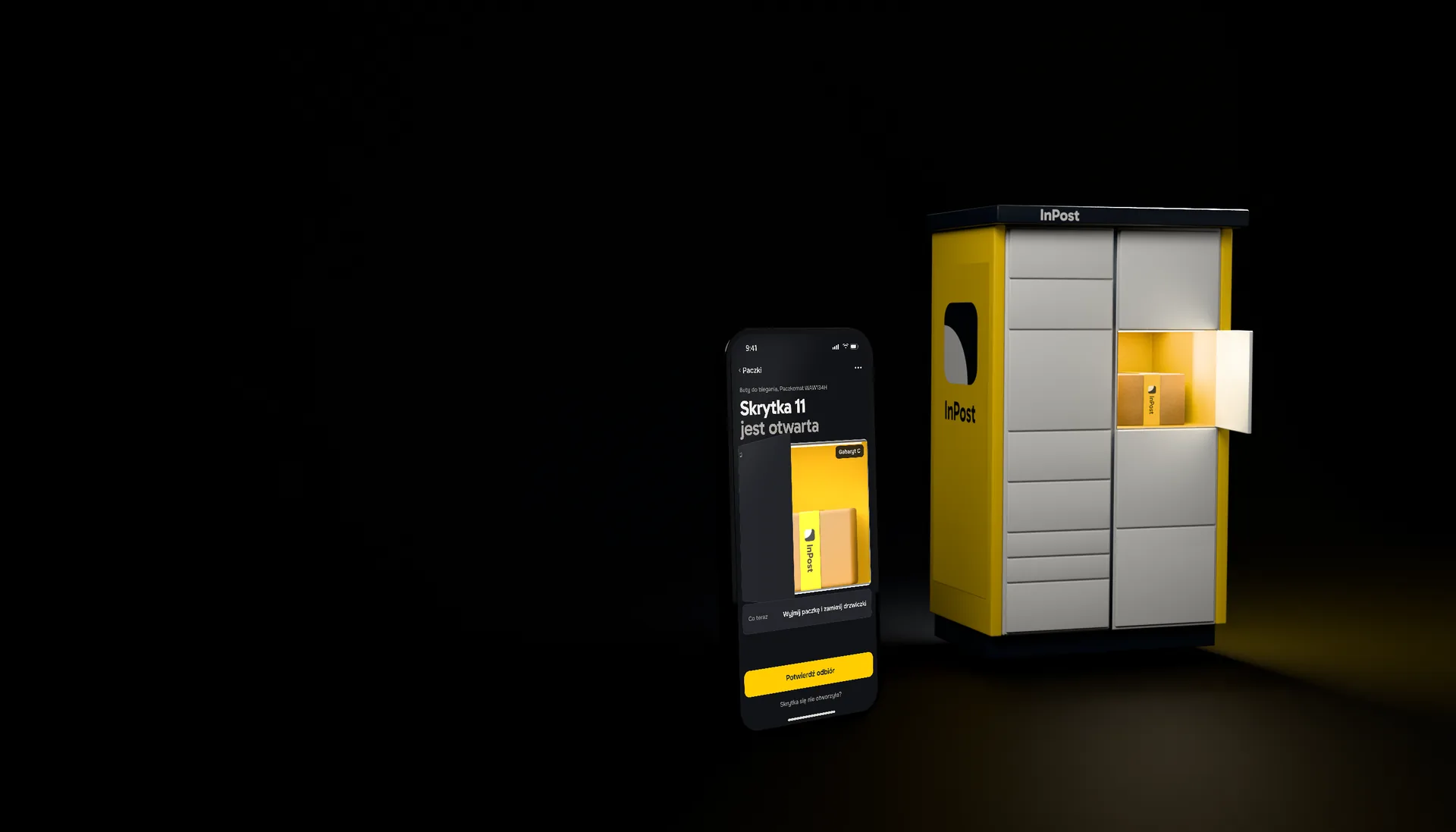
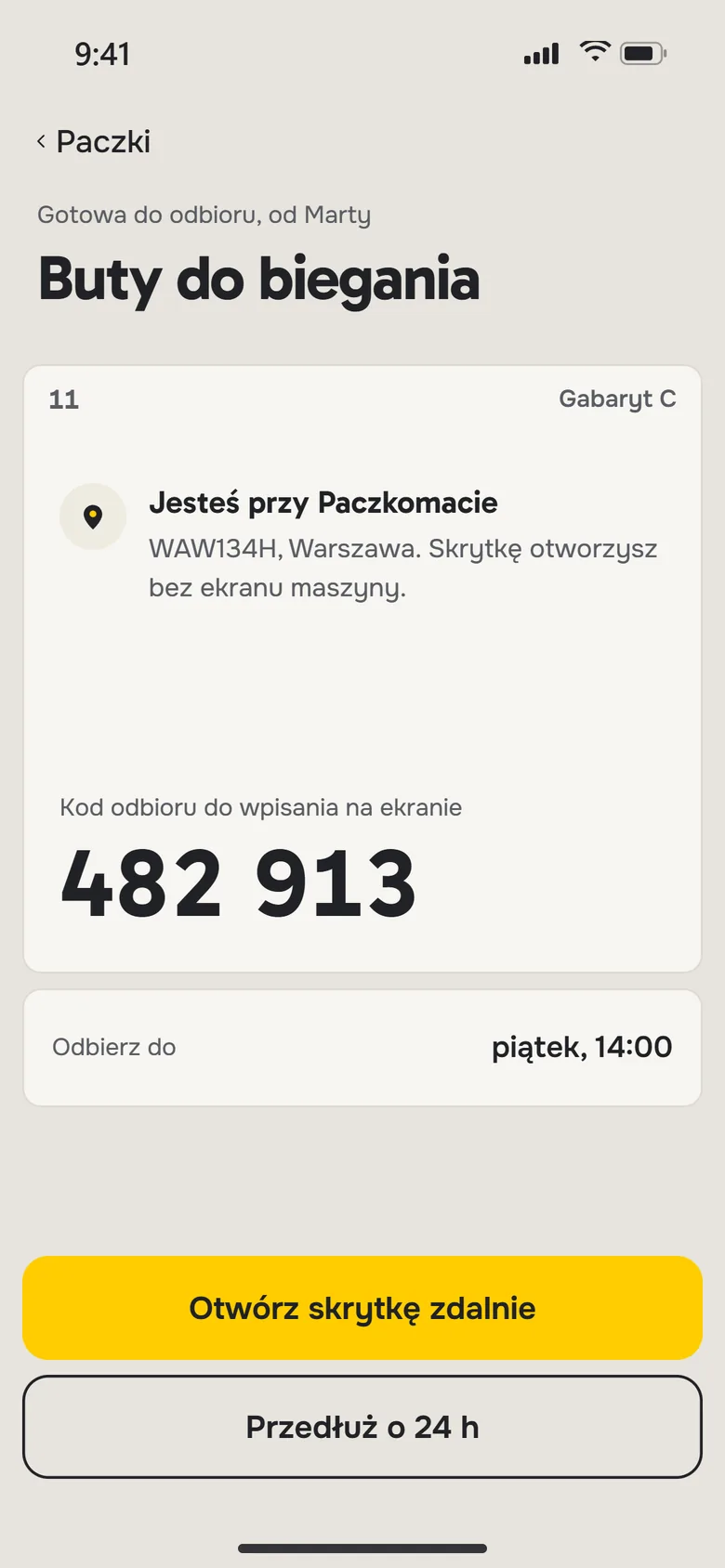
Open a cell remotely.
At night: a dolly along the wall of cells, the push into cell 11, a match cut on the door’s swing to the app’s card finishing it, back on the lit cell. One 3D world, one grade, the real interface.
The website.
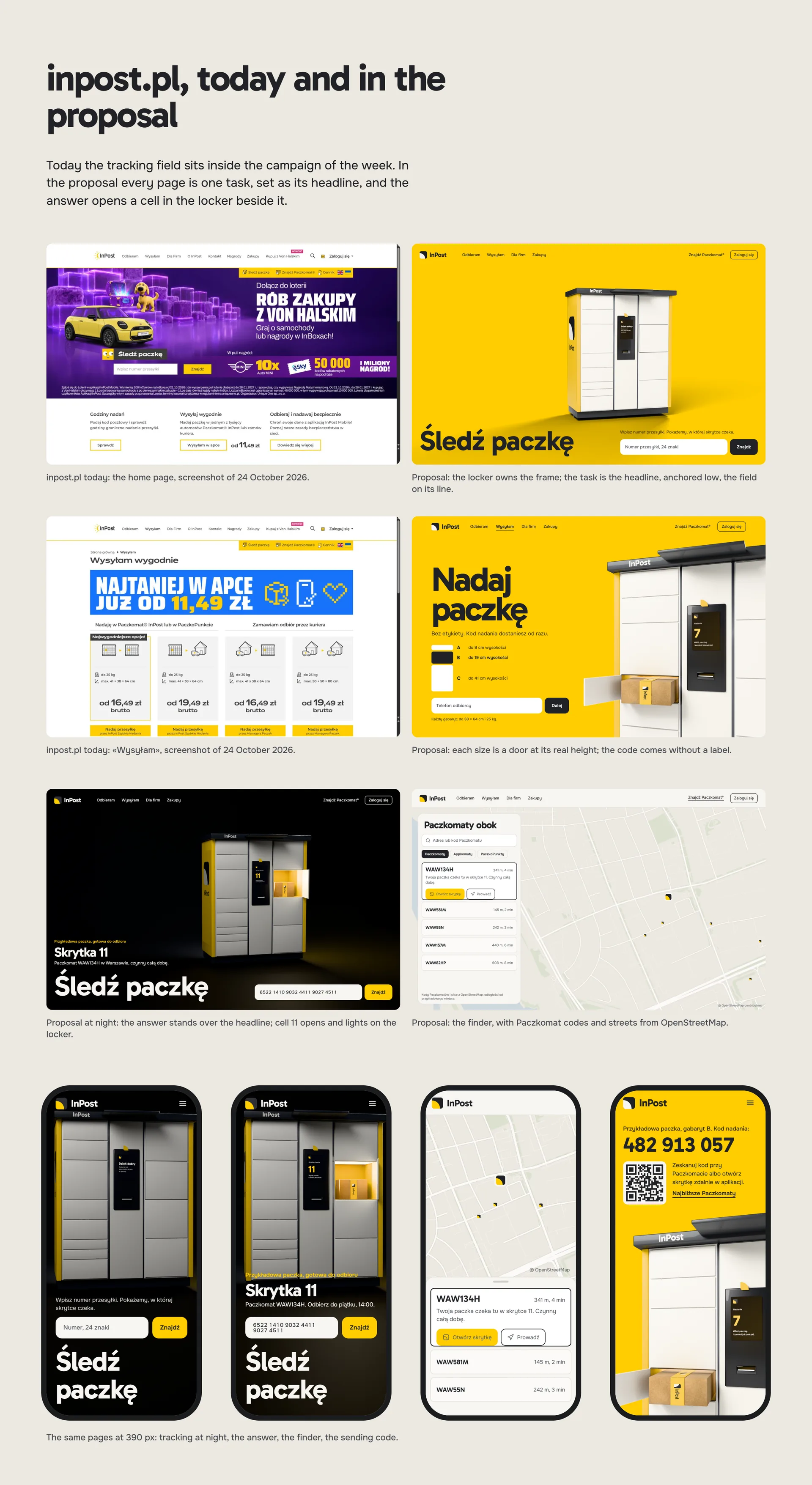
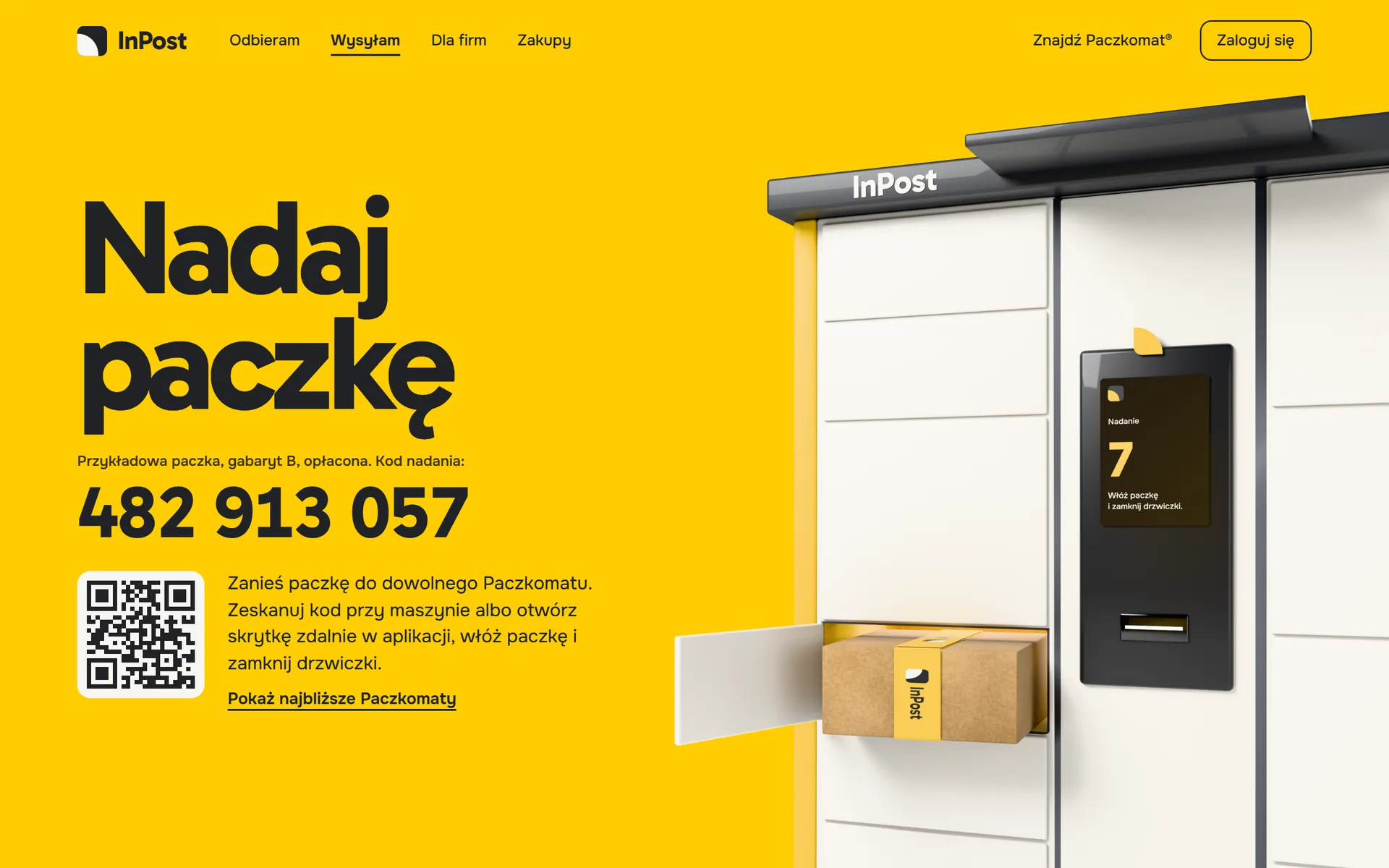
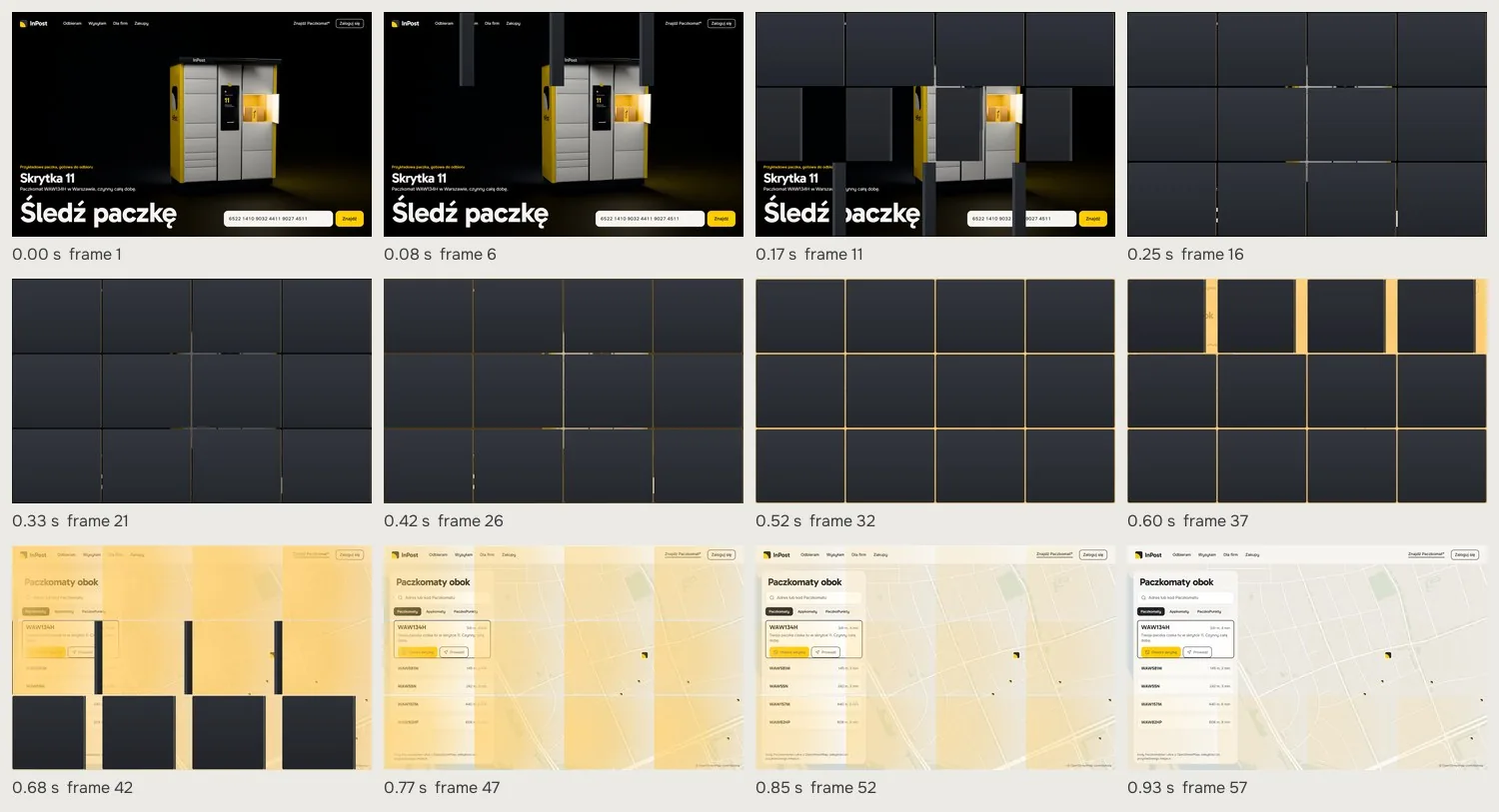
inpost.pl, today and in the proposal. The task is the headline, «Śledź paczkę». At night the answer stands over it, «Skrytka 11», and the cell opens and lights on the locker.
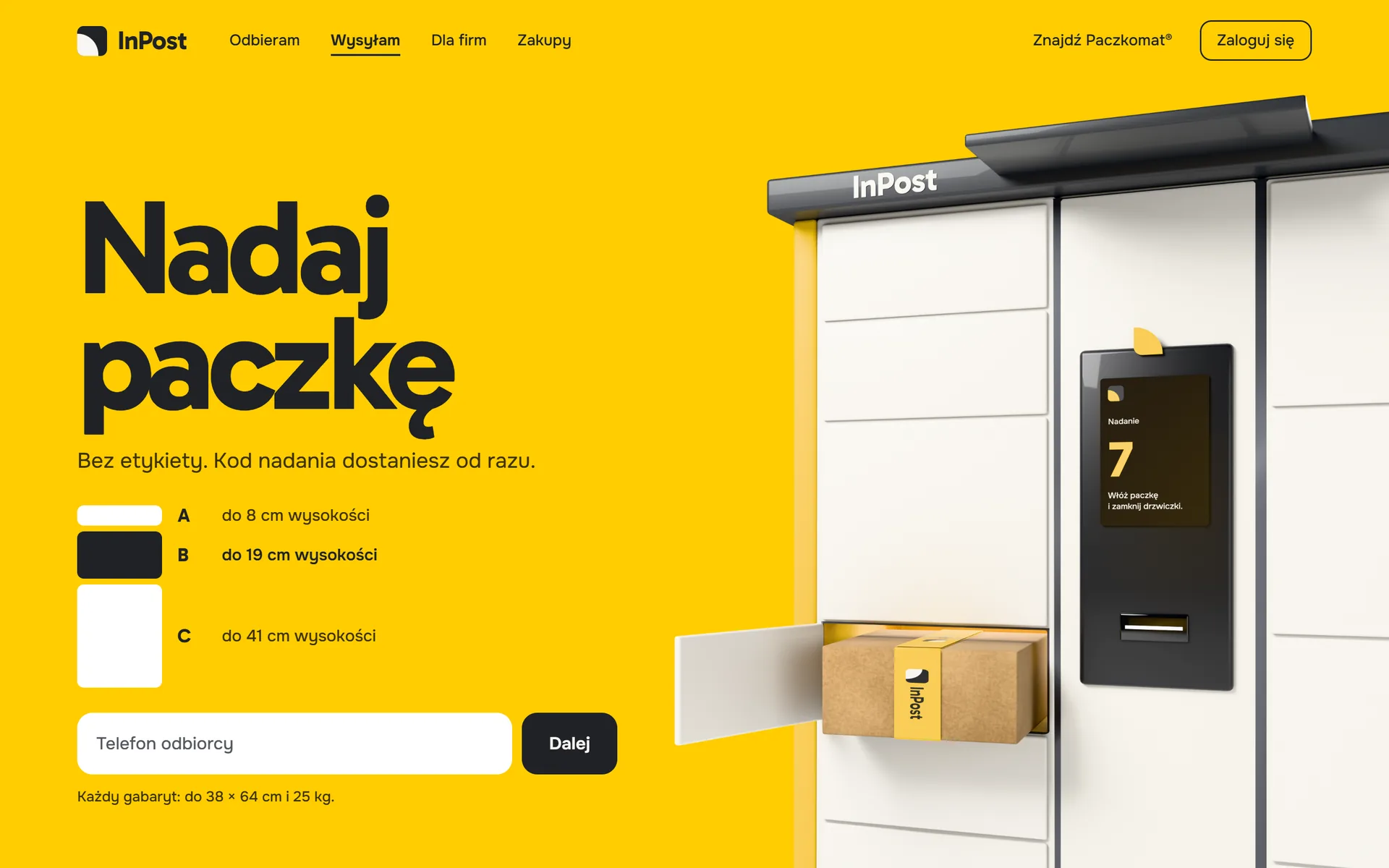
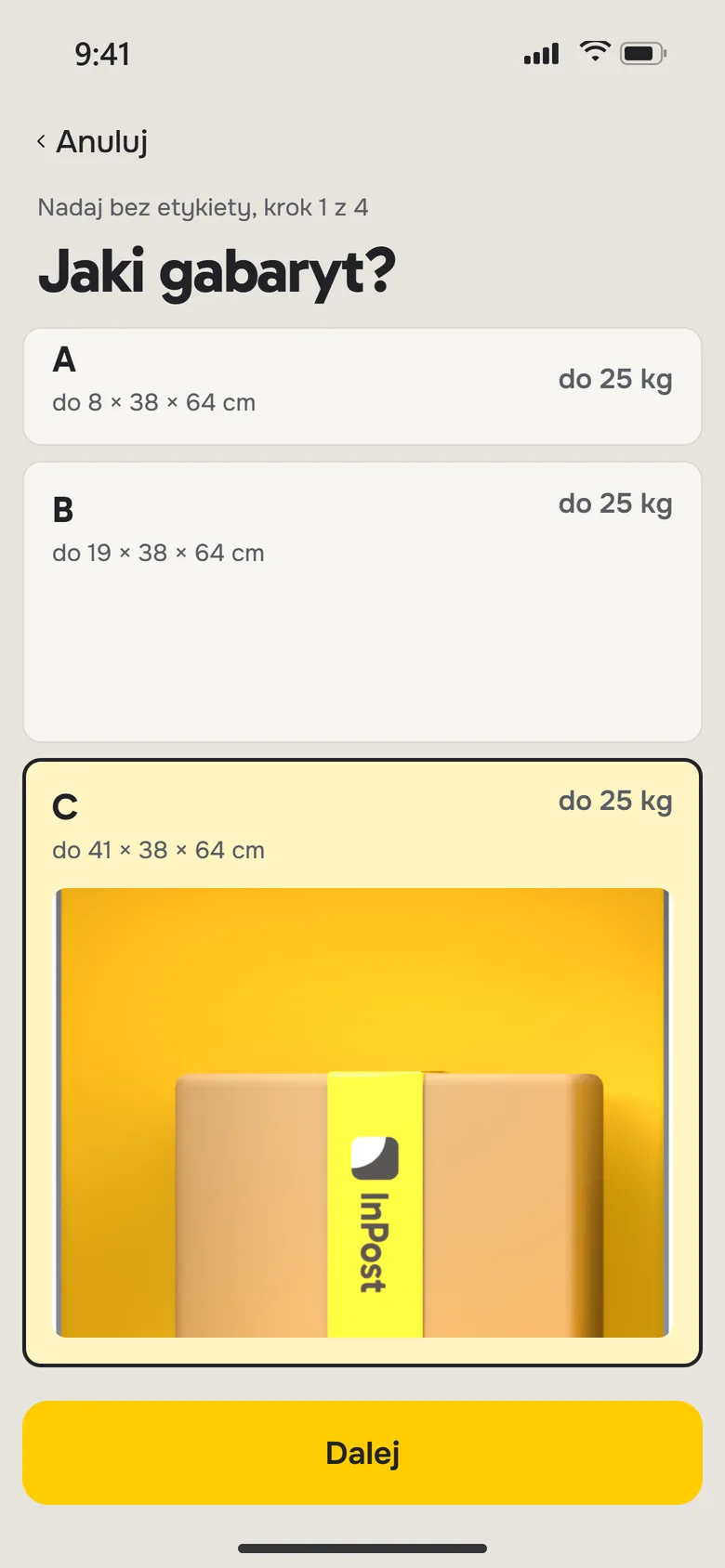
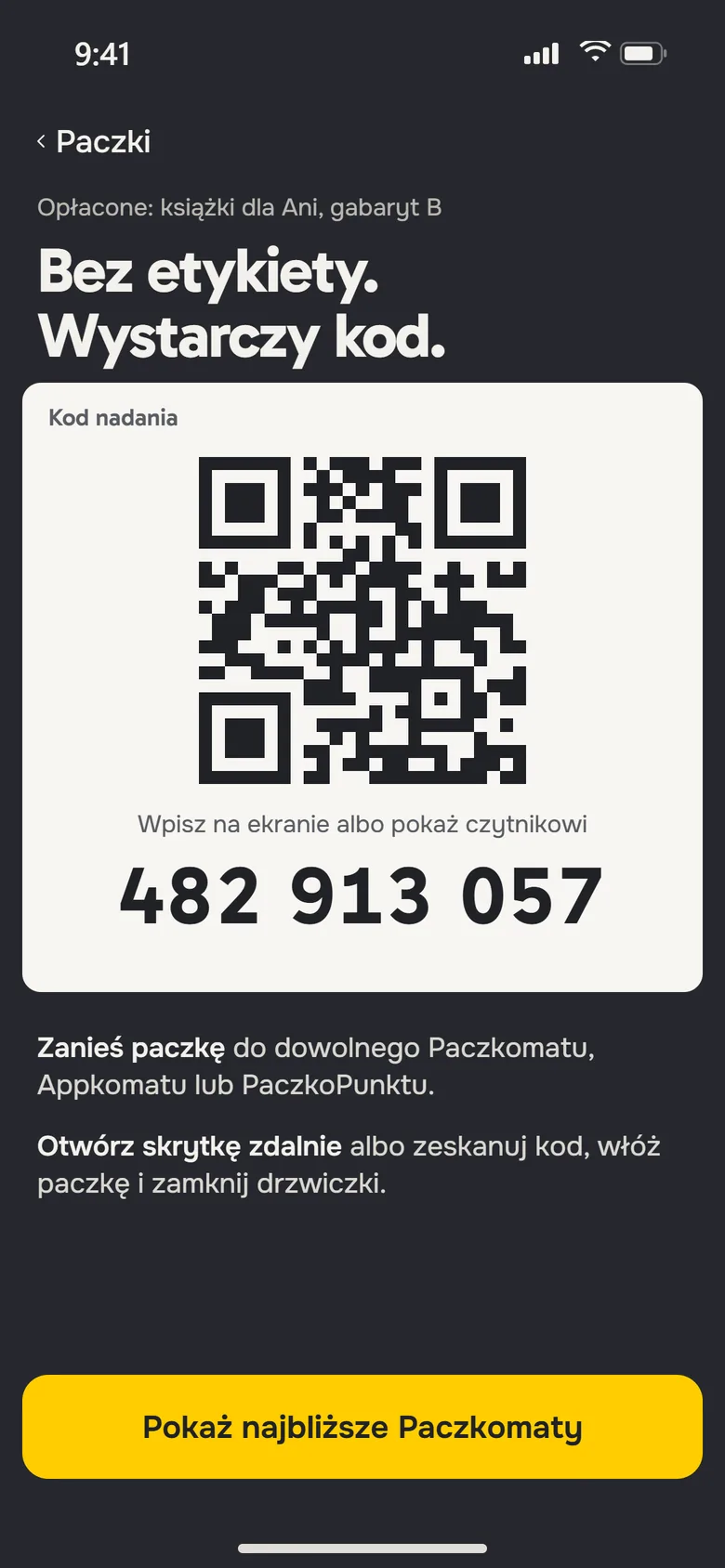
No label to print.
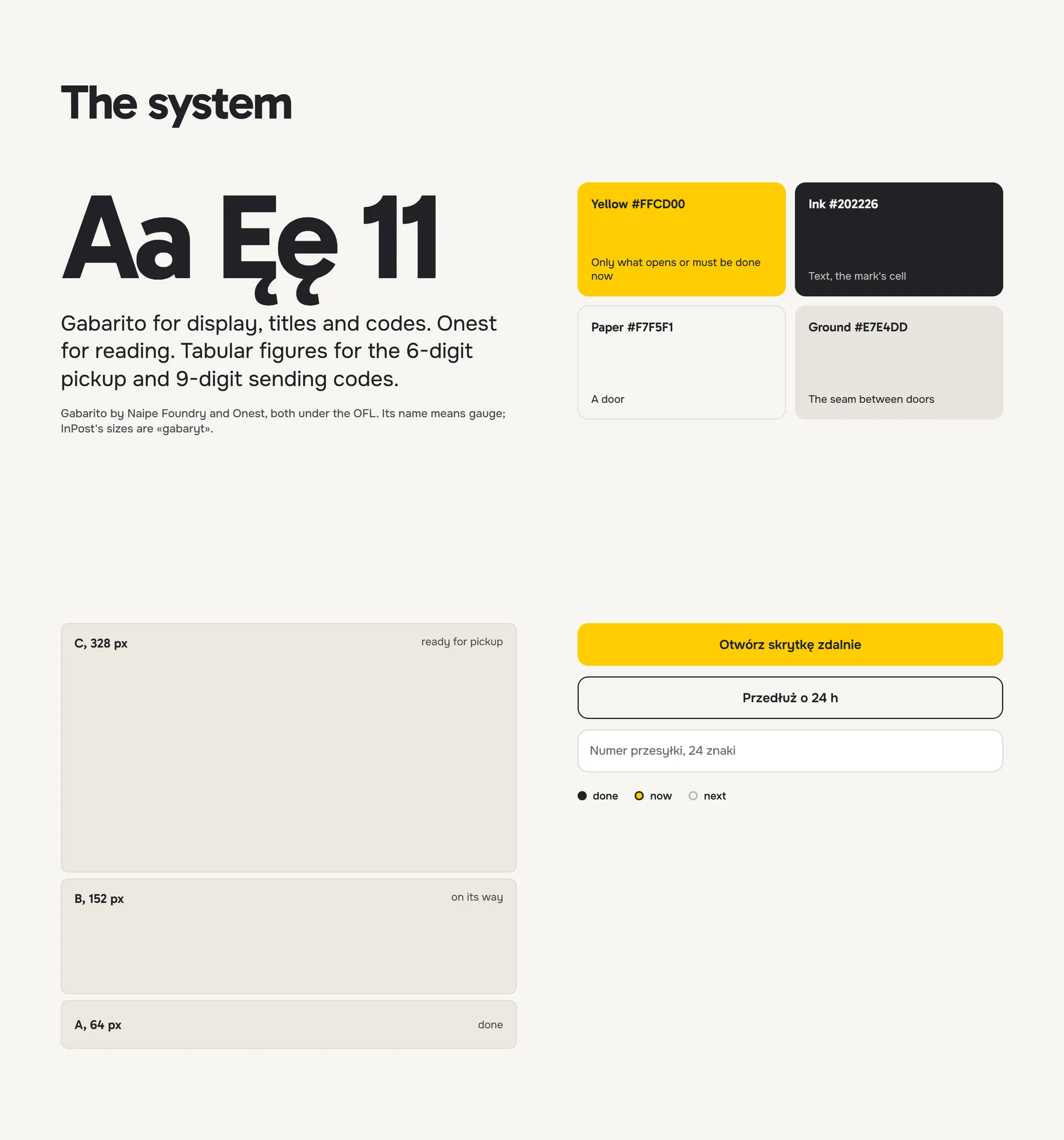
The code is the label. The sizes are the cells themselves, A, B and C at their true heights; after payment the app shows the 9-digit sending code and its QR, and any Paczkomat opens a cell for it.
The card is the door.
In InPost Mobile the parcel card is the cell’s door: one button, and it swings open with the real one.
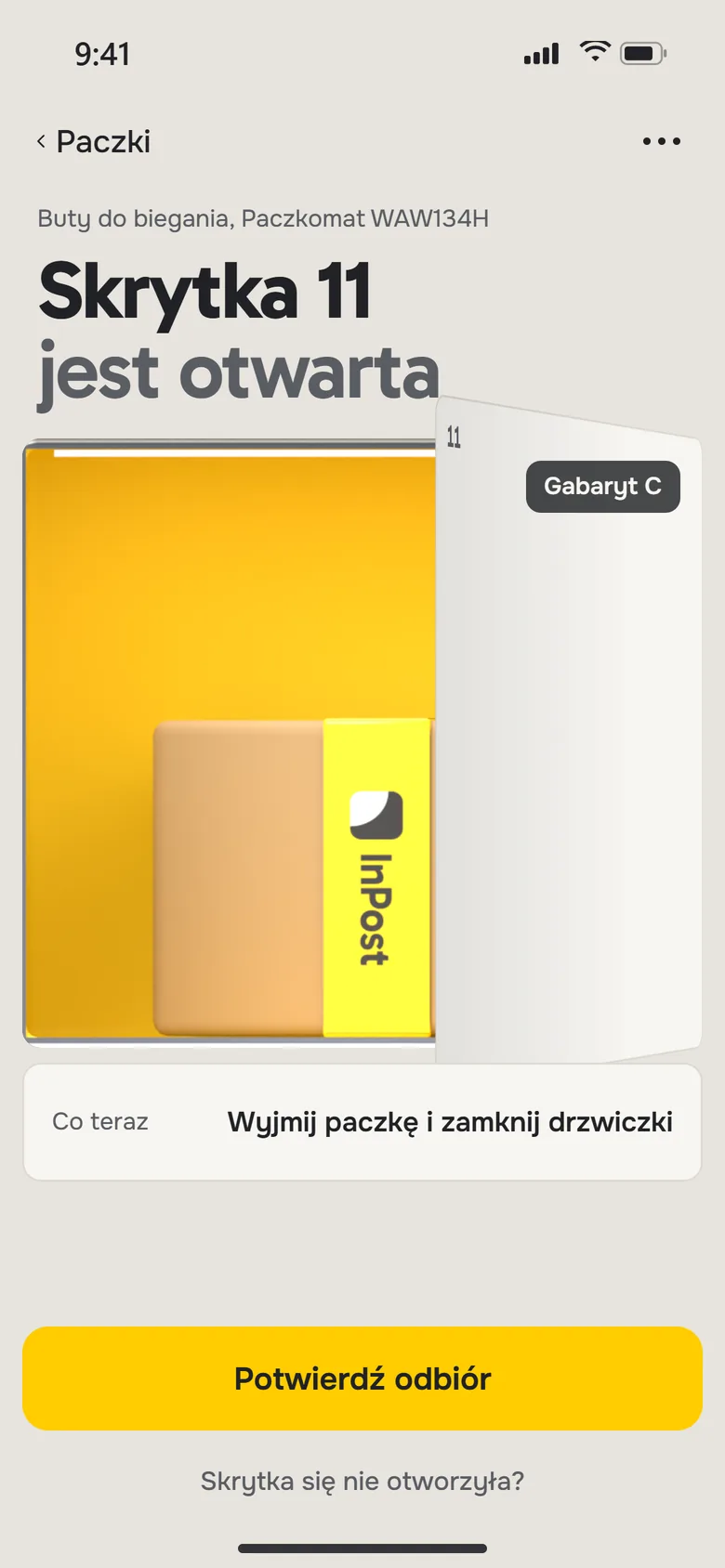
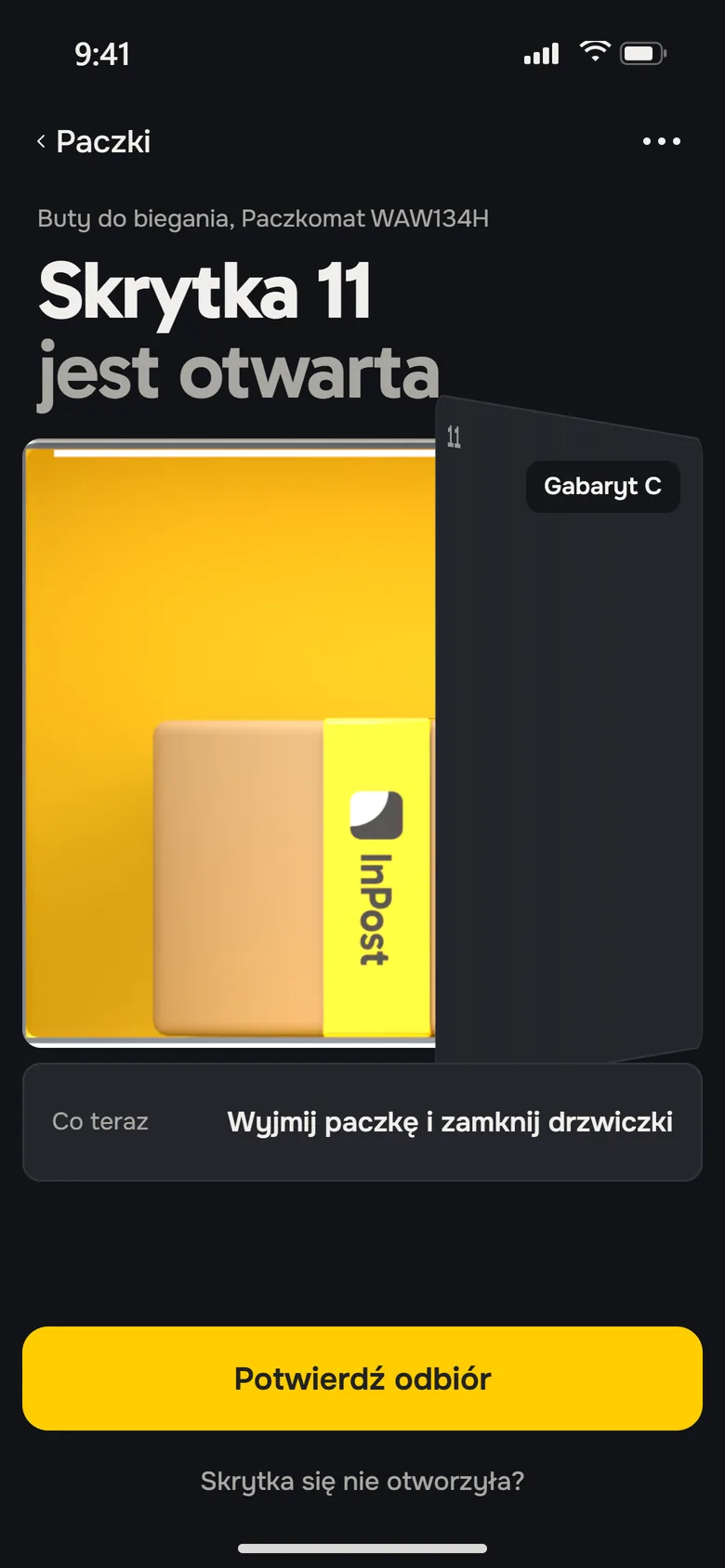
Cut from the locker.
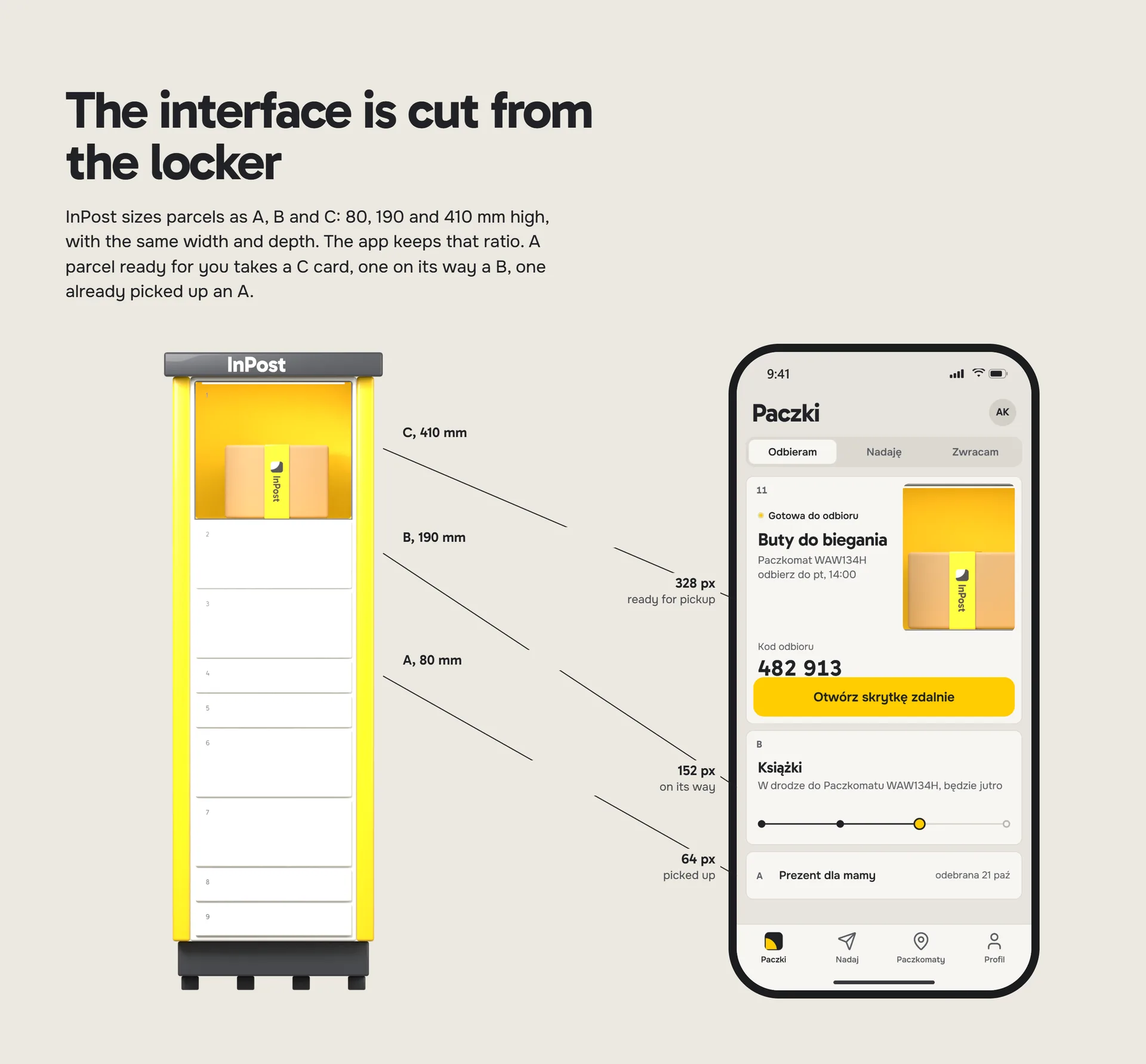
The interface is cut from the locker: A, B and C at their true heights, 80, 190 and 410 mm, become the cards, 64, 152 and 328 px.
The sun in the cell.
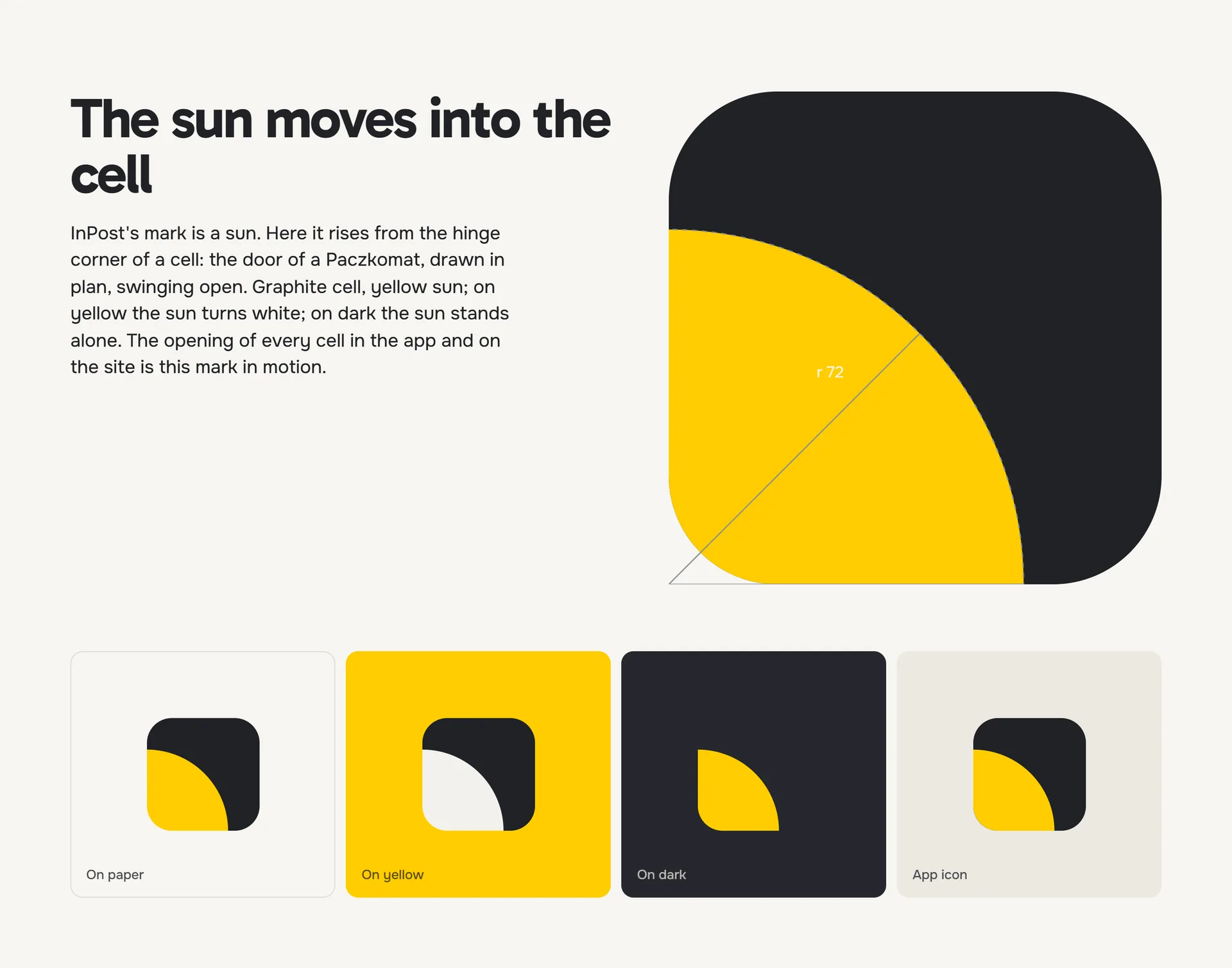
The sun of InPost’s mark moves into the cell, rising from the hinge corner.
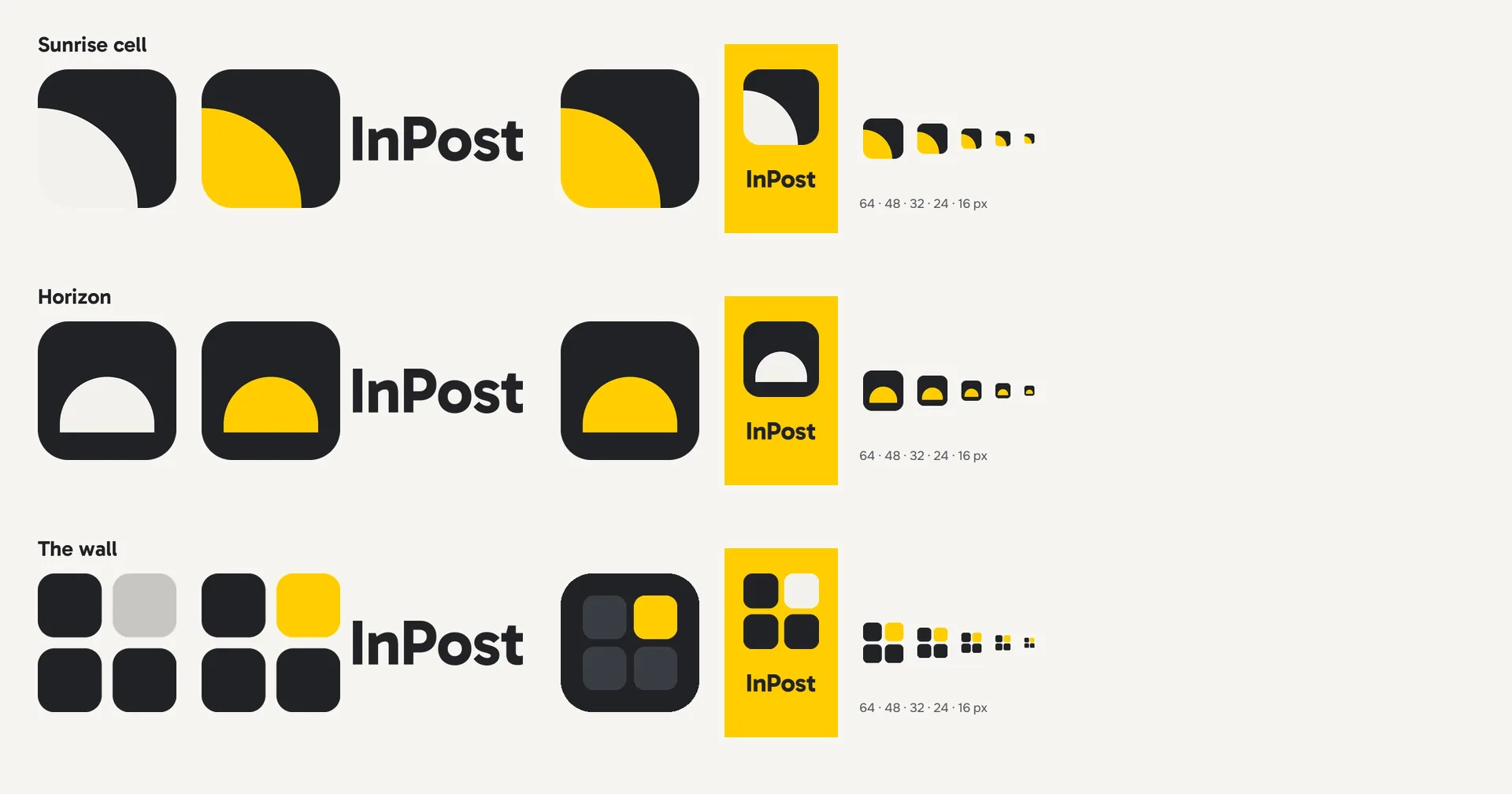
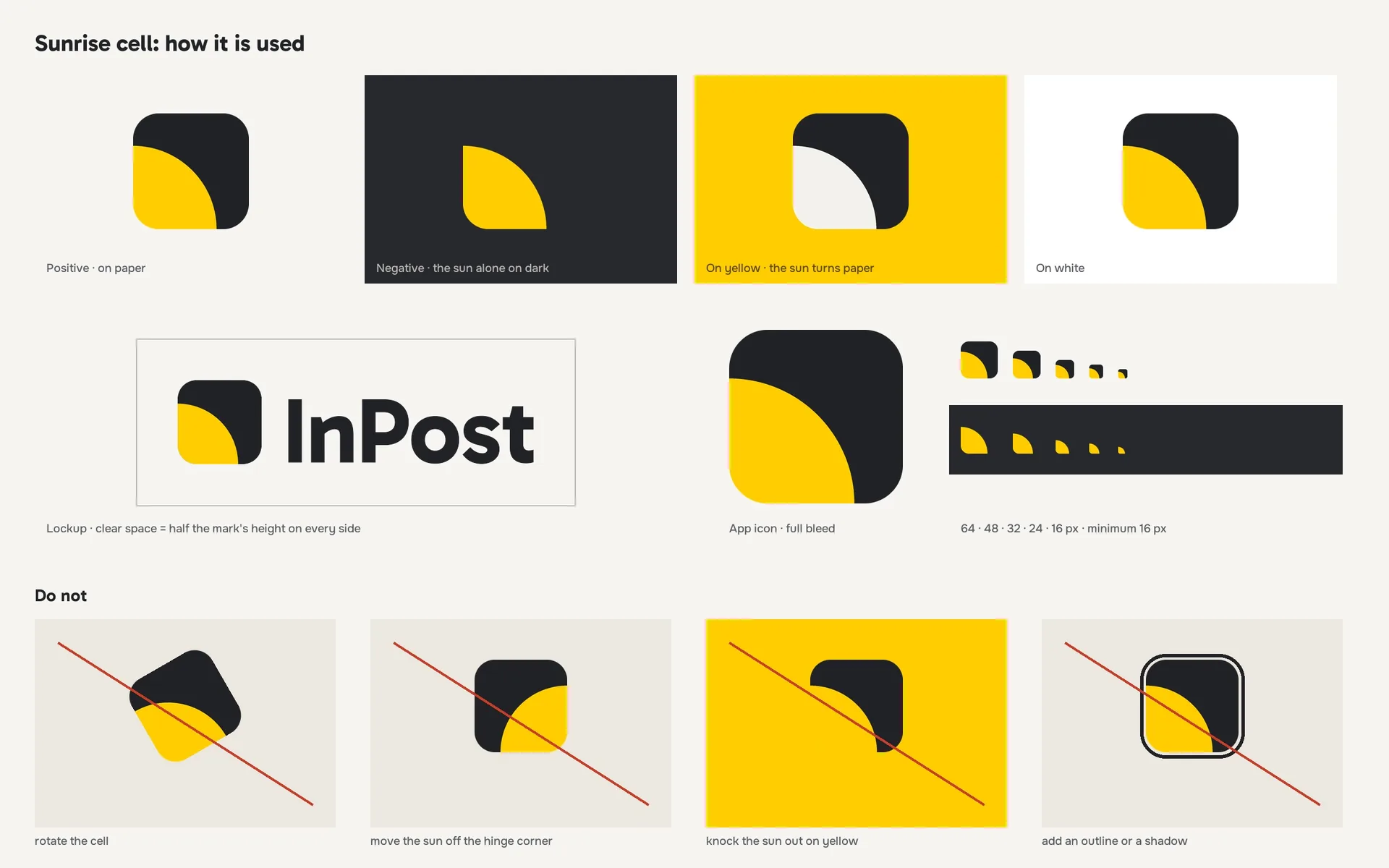
One mark, one yellow.
The locker, the van and the parcel tape share one mark and one yellow.
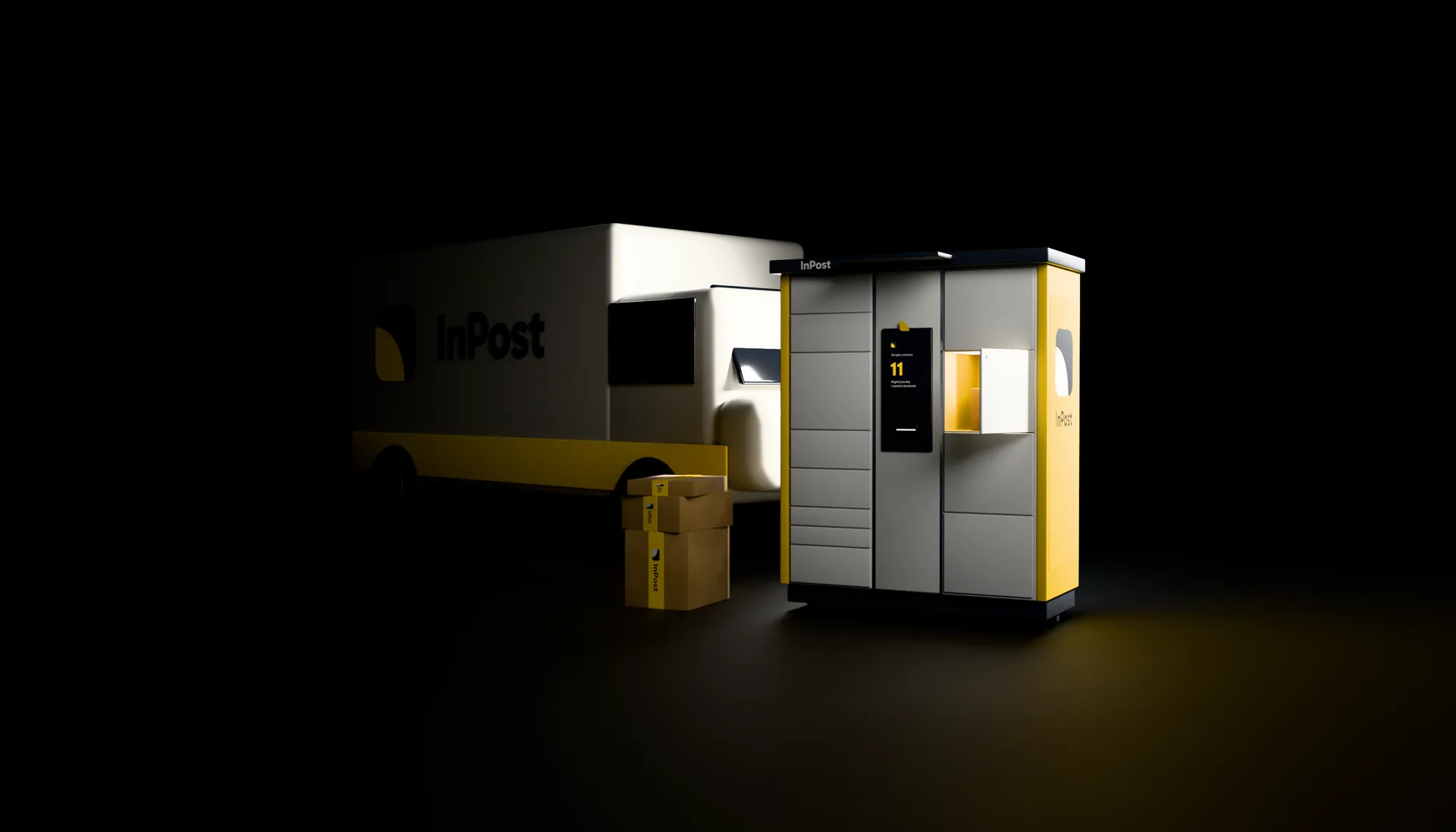
Pages that open like cells.
The preloader: a locker door opens, warm light spills out, and the mark lands in cell 11 of the page. The transition: graphite doors shut, warm light through the gaps, and the next page arrives as they open.
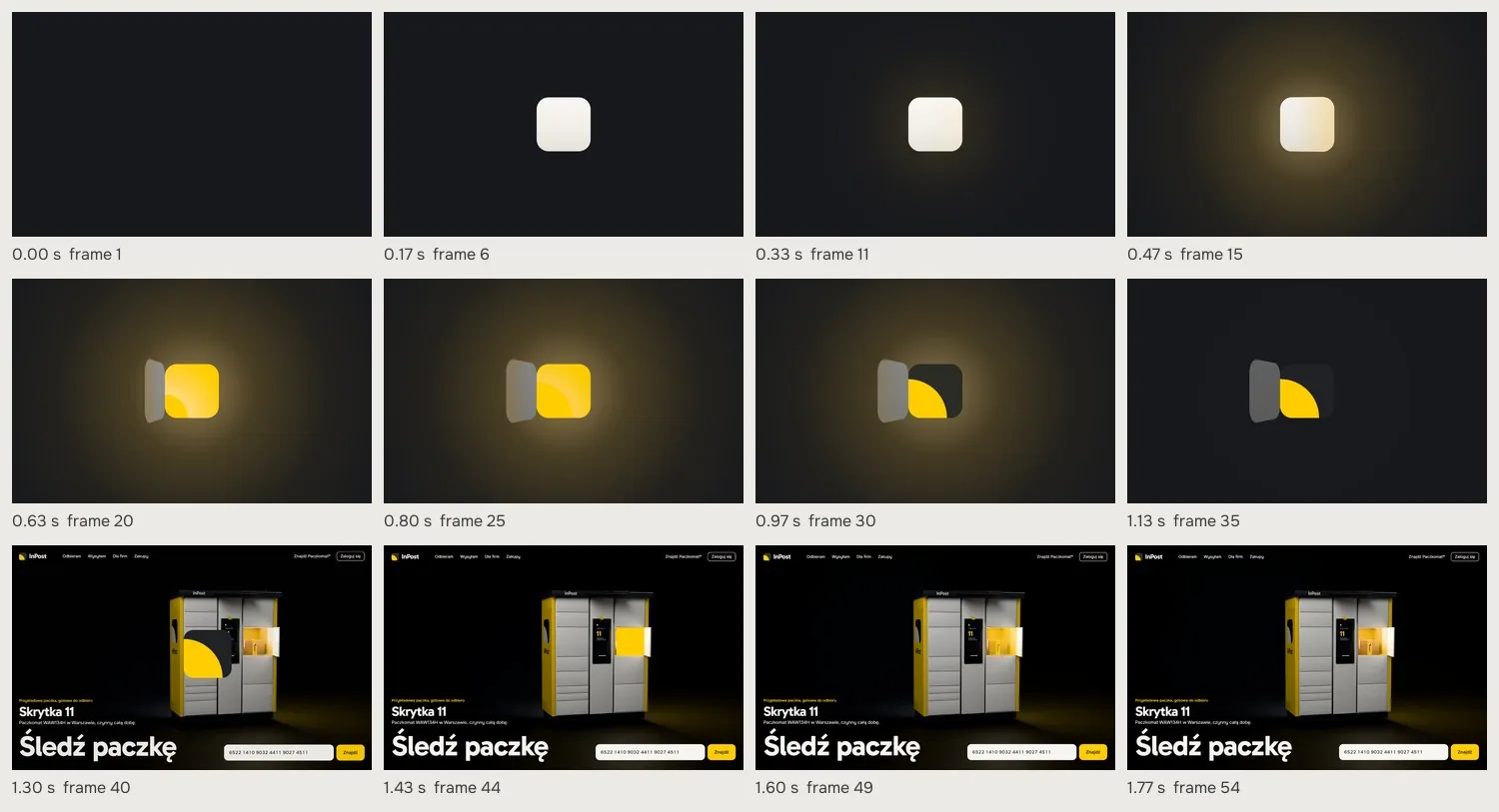
The system.
Type, colour roles, cells, controls and statuses.
Credits.
A commercial proposal by Dmytro Dintsen. Fonts: Gabarito by Naipe Foundry and Onest, both under the OFL. Icons: Lucide (ISC). Map data © OpenStreetMap contributors (ODbL). 3D modelled and rendered in Blender.